




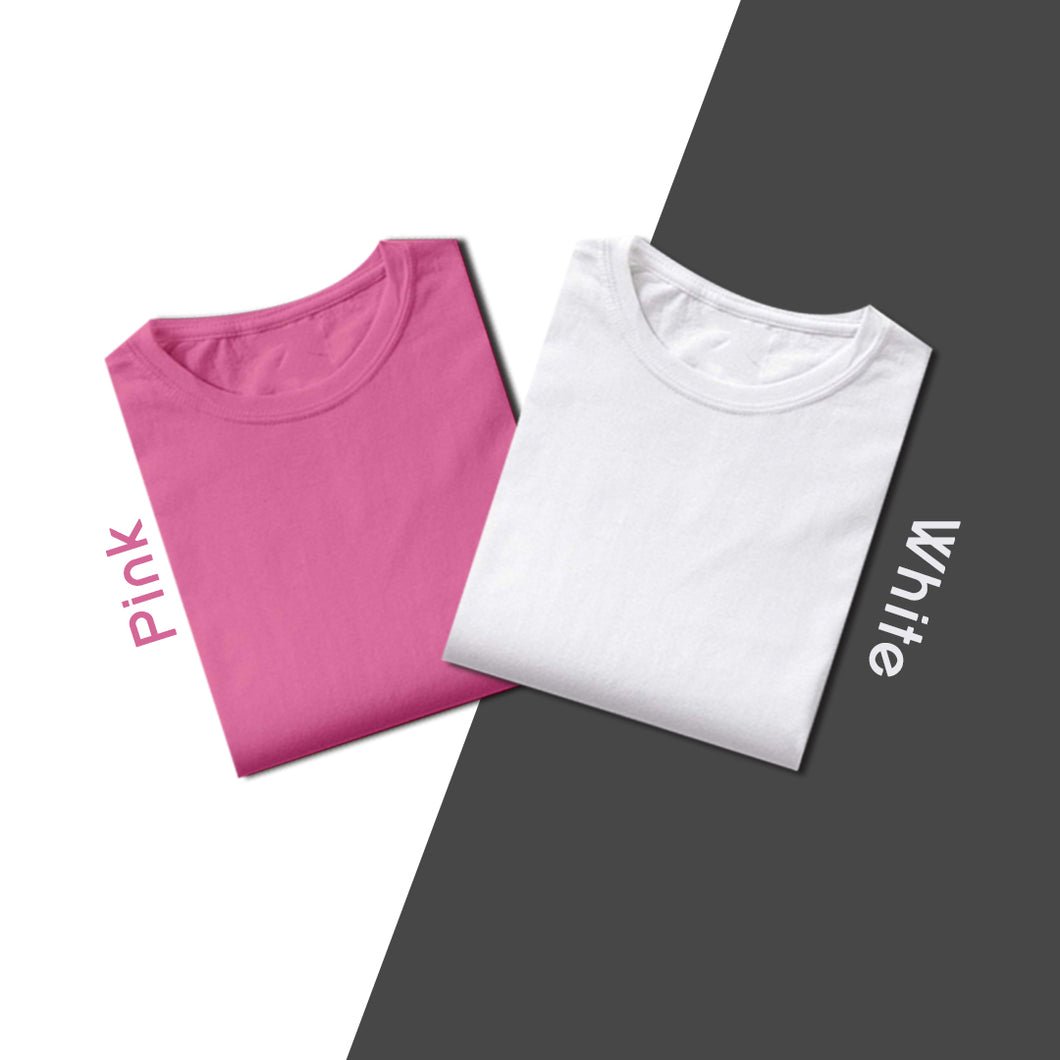


How to Choose the Best Wholesale Plain T-shirts and Hoodies
1. Consider Fabric Quality
-
Cotton: Soft, breathable, and perfect for printing; ideal for casual T‑shirts.
-
Cotton-Polyester Blends: More durable and less prone to shrinking; great for hoodies and activewear.
-
Fleece: Thick and warm, perfect for hoodies with a premium feel.
Always request samples to feel the fabric and test for shrinkage, softness, and color retention.
2. Check Fit and Sizing
-
Look for suppliers offering standardized sizing charts.
-
Consider unisex or gender-specific fits depending on your target audience.
-
Ensure hoodies have proper shoulder alignment, sleeve length, and chest width.
Correct sizing reduces returns and increases customer satisfaction.
3. Evaluate Stitching and Durability
-
Inspect seams for double stitching or reinforced edges.
-
Check hoodie drawstrings, zippers, and pockets for sturdiness.
-
Strong stitching ensures long-lasting garments even after multiple washes.
4. Assess Print Compatibility
If you plan to use PuffPrint or other custom printing, check:
-
Smooth cotton surfaces for puff print or screen print.
-
Polyester blends for sublimation printing.
-
Hoodie fabric thickness for embroidery or heat transfers.
5. Compare Pricing and Minimum Order Quantities (MOQ)
-
Balance cost per unit with quality and expected resale margin.
-
Choose suppliers with flexible MOQs, especially if testing new products.
-
Bulk discounts often apply at higher quantities, so plan your initial order accordingly.
6. Check Supplier Reliability
-
Read reviews and ratings if buying online.
-
Ask about return policies, shipping timelines, and stock availability.
-
Long-term relationships with reliable suppliers ensure consistent product quality and faster restocking.
7. Select Versatile Colors and Styles
-
Plain black, white, and grey T‑shirts and hoodies are always in demand.
-
Offer multiple sizes and consider seasonal colors.
-
Variety helps attract a broader audience and boosts resale opportunities.

PuffPrint is your one-stop destination for high-quality custom apparel and personalized merchandise. From premium t-shirts, hoodies, and jackets to chef coats and aprons, we provide a wide range of products for individuals, businesses, and events. Our mission is to deliver top-notch printing solutions with a focus on quality, comfort, and style.
Whether you’re looking for bulk corporate orders, custom gifts, or unique designs for your wardrobe, PuffPrint combines creativity with superior manufacturing to bring your ideas to life. Explore our collection and experience hassle-free online ordering, fast shipping, and exceptional customer service at www.puffprint.com
Contact Info
- Address: Address - Damu Nagar, Akurli road, Kandivali East, Maharashtra - 400101
- Phone: +91 8418967244
- Email: puffprinting@gmail.com

