






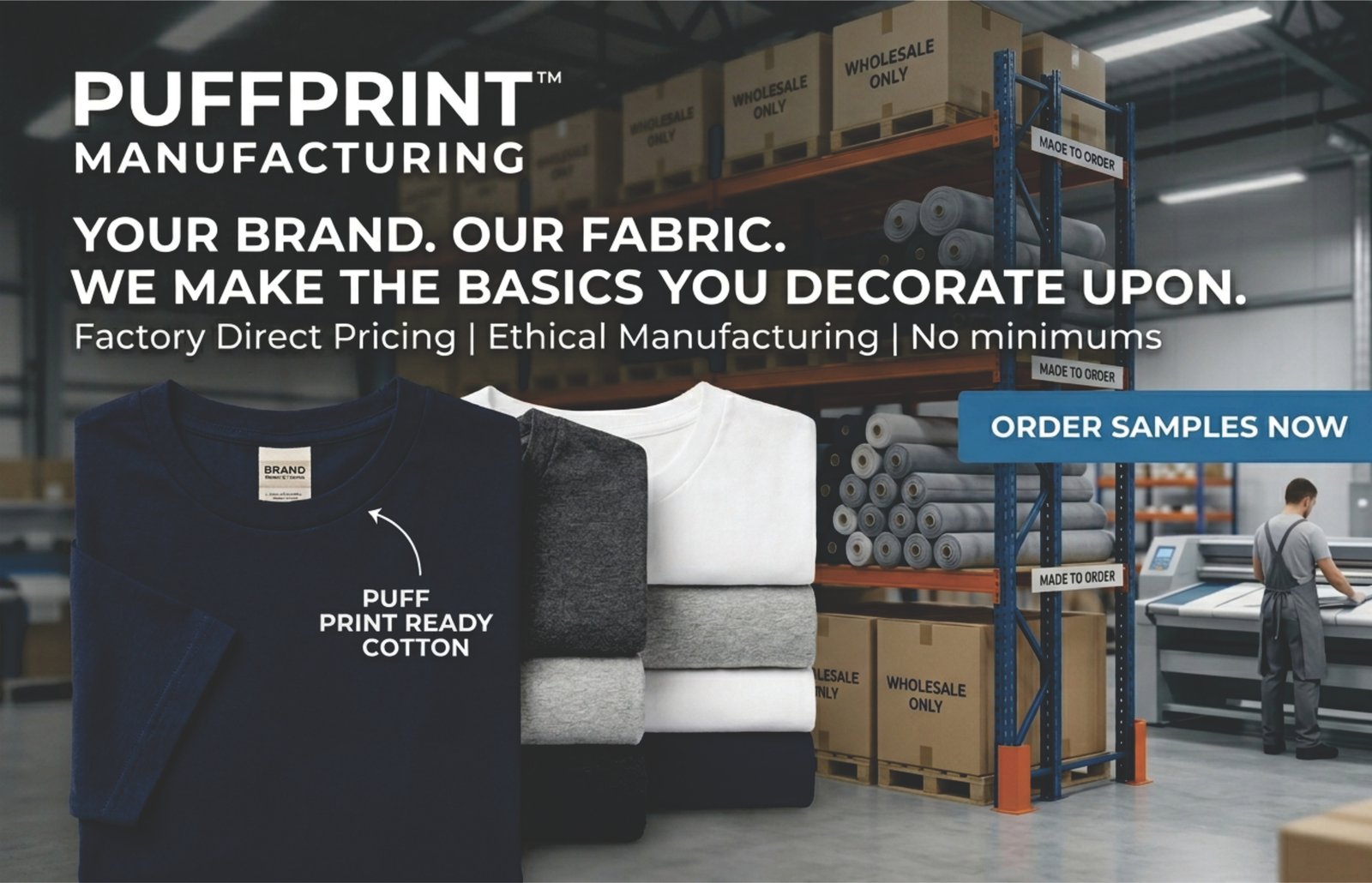
t shirt manufacturer cost
Understanding T-shirt manufacturer costs is essential for businesses, startups, fashion brands, wholesalers, and retailers looking to produce high-quality apparel at competitive prices. The total cost of manufacturing a T-shirt depends on several factors, including fabric quality, printing methods, order quantity, customization requirements, labor expenses, packaging, and shipping. By understanding these cost components, businesses can make informed decisions and maximize profitability while maintaining product quality.
The fabric used in T-shirt production is one of the most significant factors affecting manufacturing costs. Basic cotton T-shirts generally cost less to produce compared to premium fabrics such as combed cotton, organic cotton, bamboo fabric, or performance materials. The fabric weight, commonly measured in GSM (grams per square meter), also impacts pricing. Heavier and higher-quality fabrics require more material and therefore increase production expenses.
Printing and customization are additional factors that influence T-shirt manufacturing costs. Various printing techniques such as screen printing, direct-to-garment (DTG) printing, sublimation printing, heat transfer printing, and embroidery each have different pricing structures. Screen printing is often the most economical option for bulk orders, while DTG printing is preferred for small batches and highly detailed designs. Embroidery generally costs more due to the complexity and time involved in the stitching process.
Order quantity plays a crucial role in determining per-unit manufacturing costs. Most T-shirt manufacturers offer significant discounts for bulk orders because production efficiency improves with higher volumes. Small orders typically have higher per-piece costs since setup expenses, labor, and machine operation costs are spread across fewer units. Large-scale orders reduce manufacturing costs per T-shirt and provide better profit margins for businesses.
Labor costs vary depending on the manufacturing location. Countries such as China, India, Bangladesh, Vietnam, and Pakistan are known for cost-effective apparel production due to lower labor expenses and established textile industries. Manufacturers in these regions often provide competitive pricing while maintaining quality standards. However, labor costs can increase if specialized stitching, premium finishing, or complex garment construction is required.
Design complexity is another important cost factor. Basic T-shirts with simple prints are generally more affordable to manufacture than garments requiring multiple colors, large artwork, custom labels, special washes, embroidery, or unique fabric treatments. Additional features such as branded neck labels, woven tags, custom packaging, and specialty finishes can further increase production expenses.
Private label manufacturing services may also affect overall costs. Fashion brands that require custom branding, unique sizing specifications, personalized packaging, and exclusive designs often invest more in production compared to businesses purchasing generic wholesale products. However, private label solutions help create a strong brand identity and increase long-term market value.
Packaging and logistics contribute significantly to T-shirt manufacturing costs, especially for international orders. Packaging materials, labeling, cartons, and shipping methods all influence the final price. Air freight provides faster delivery but is considerably more expensive than sea freight. Businesses should evaluate shipping options carefully to balance cost and delivery timelines.
Quality control and testing procedures are essential investments in apparel manufacturing. Reliable manufacturers conduct inspections throughout the production process to ensure fabric consistency, stitching quality, color accuracy, sizing standards, and print durability. Although quality assurance increases production costs slightly, it helps reduce returns, customer complaints, and brand reputation risks.
Sustainability initiatives can also impact T-shirt manufacturing costs. Eco-friendly fabrics, organic cotton, recycled materials, water-based inks, and ethical production practices often carry higher production expenses. However, sustainable apparel is increasingly popular among consumers and can provide a competitive advantage in the market.
On average, basic bulk-manufactured T-shirts can cost between $2 and $8 per piece depending on fabric quality, manufacturing location, customization level, and order quantity. Premium fashion T-shirts, private-label garments, and specialty products may cost significantly more. Businesses should work closely with manufacturers to obtain accurate quotations based on their specific requirements.
Choosing the right T-shirt manufacturer involves balancing quality, customization, pricing, production capacity, and delivery reliability. A trusted manufacturing partner can help businesses optimize costs while producing high-quality apparel that meets customer expectations and supports long-term growth.

PuffPrint is your one-stop destination for high-quality custom apparel and personalized merchandise. From premium t-shirts, hoodies, and jackets to chef coats and aprons, we provide a wide range of products for individuals, businesses, and events. Our mission is to deliver top-notch printing solutions with a focus on quality, comfort, and style.
Whether you’re looking for bulk corporate orders, custom gifts, or unique designs for your wardrobe, PuffPrint combines creativity with superior manufacturing to bring your ideas to life. Explore our collection and experience hassle-free online ordering, fast shipping, and exceptional customer service at www.puffprint.com
Contact Info
- Address: Address - Damu Nagar, Akurli road, Kandivali East, Maharashtra - 400101
- Phone: +91 8418967244
- Email: puffprinting@gmail.com

