




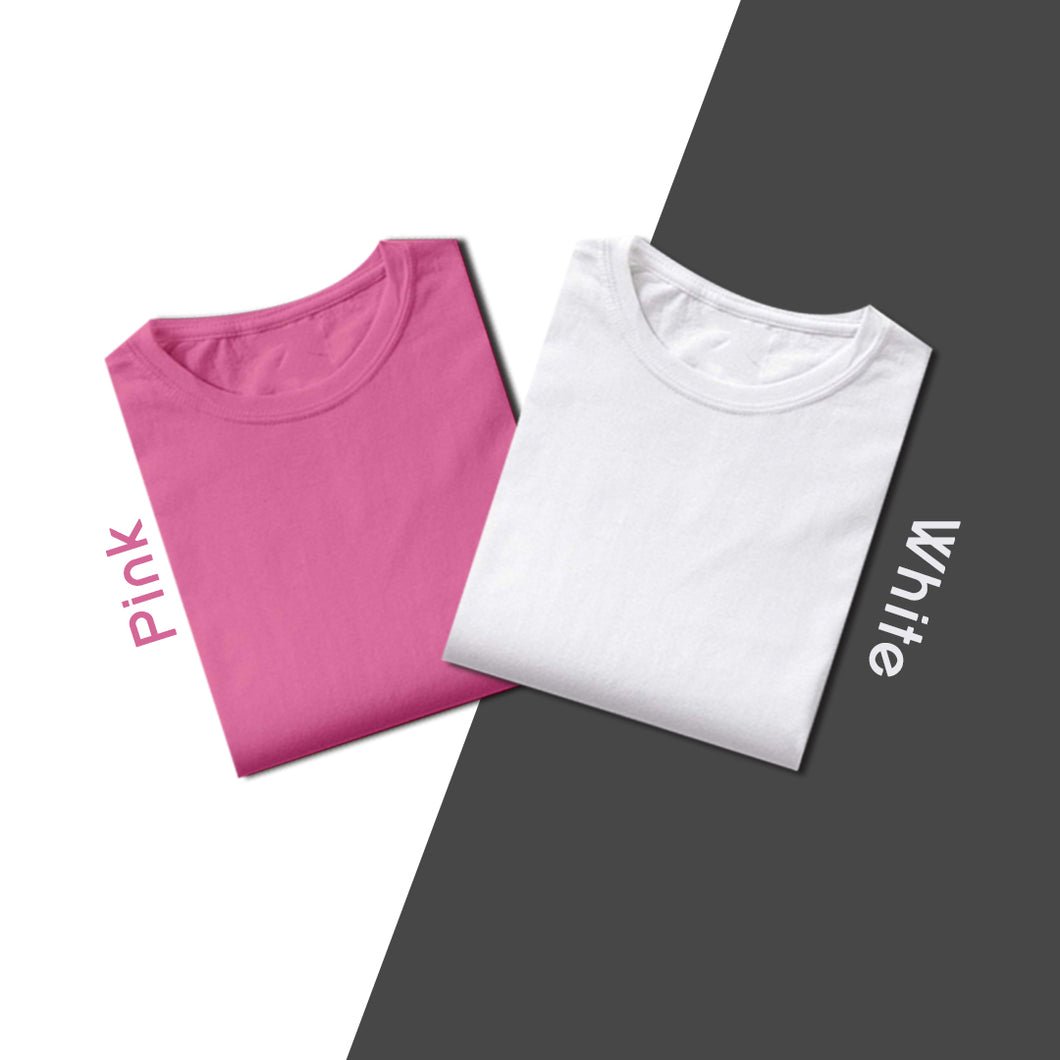

T-shirt Manufacturers brands
The T-shirt manufacturing business is supported by a wide range of global and regional brands that specialize in apparel production, private label services, OEM manufacturing, and bulk clothing supply. These brands play a major role in shaping the global fashion and textile industry by producing millions of T-shirts every year for retail stores, fashion labels, e-commerce businesses, corporate clients, and promotional campaigns.
T-shirt manufacturing brands operate across different business models such as mass production factories, premium fashion manufacturers, sustainable clothing companies, and custom apparel printing businesses. Each brand focuses on specific market needs ranging from budget-friendly basics to high-end fashion garments.
Global T-Shirt Manufacturing Business Brands
Some of the most well-known global apparel manufacturing and clothing brands include large-scale companies that handle both production and retail distribution. These companies often manage entire supply chains from fabric sourcing to final retail products.
Examples include:
- Hanesbrands Inc. – A major global apparel company known for basic T-shirts, innerwear, and mass-market clothing production.
- Gildan Activewear – One of the largest suppliers of blank T-shirts used for printing, branding, and promotional apparel worldwide.
- Fruit of the Loom – A popular clothing brand specializing in affordable T-shirts, underwear, and casual wear for global markets.
- Bella+Canvas – Known for premium-quality blank T-shirts widely used by fashion brands and print-on-demand businesses.
- Next Level Apparel – Focuses on modern-fit, high-quality T-shirts for retail and custom branding markets.
These companies dominate the blank apparel and wholesale T-shirt segment, supplying millions of garments globally.
Fashion and Retail Apparel Brands
Many fashion brands also operate as T-shirt manufacturers through integrated supply chains or outsourcing production. These brands focus on design, branding, and retail distribution.
Examples include:
- H&M – A global fast-fashion retailer producing large volumes of T-shirts and casual wear through global manufacturing networks.
- Zara – Known for fast production cycles and trend-driven T-shirt collections.
- Uniqlo – Focuses on high-quality basics including premium cotton T-shirts with advanced fabric technology.
These brands influence global fashion trends and rely heavily on large-scale manufacturing systems.
Private Label and OEM Manufacturing Brands
In the T-shirt manufacturing business, many companies operate behind the scenes as OEM (Original Equipment Manufacturer) or private label suppliers. These brands produce clothing for other labels instead of selling directly to consumers.
Key players include:
- Contract garment factories in Asia (India, Bangladesh, Vietnam, Thailand)
- European CMT (Cut, Make, Trim) manufacturers
- US-based private label apparel companies
- Print-on-demand suppliers for e-commerce brands
These manufacturers allow startups and established businesses to launch their own clothing brands without owning factories.
Print-on-Demand and Custom Apparel Brands
The rise of e-commerce has also created a new category of T-shirt manufacturing business brands focused on print-on-demand services. These companies handle printing, packaging, and shipping directly for online sellers.
Popular examples include global POD networks that support Shopify, Amazon, and Etsy sellers by producing custom-designed T-shirts in small quantities.
Sustainable and Eco-Friendly Apparel Brands
Modern consumers are increasingly demanding sustainability in fashion. Many T-shirt manufacturers now operate under eco-friendly and ethical production models.
These brands focus on:
- Organic cotton production
- Recycled fabric usage
- Low-impact dyeing processes
- Ethical labor practices
- Carbon-neutral manufacturing
This segment is rapidly growing in global markets.
Importance of T-Shirt Manufacturing Brands
T-shirt manufacturing business brands are essential because they:
- Supply bulk clothing for global markets
- Support fashion startups and private labels
- Enable e-commerce growth
- Drive promotional and corporate branding
- Influence global fashion trends

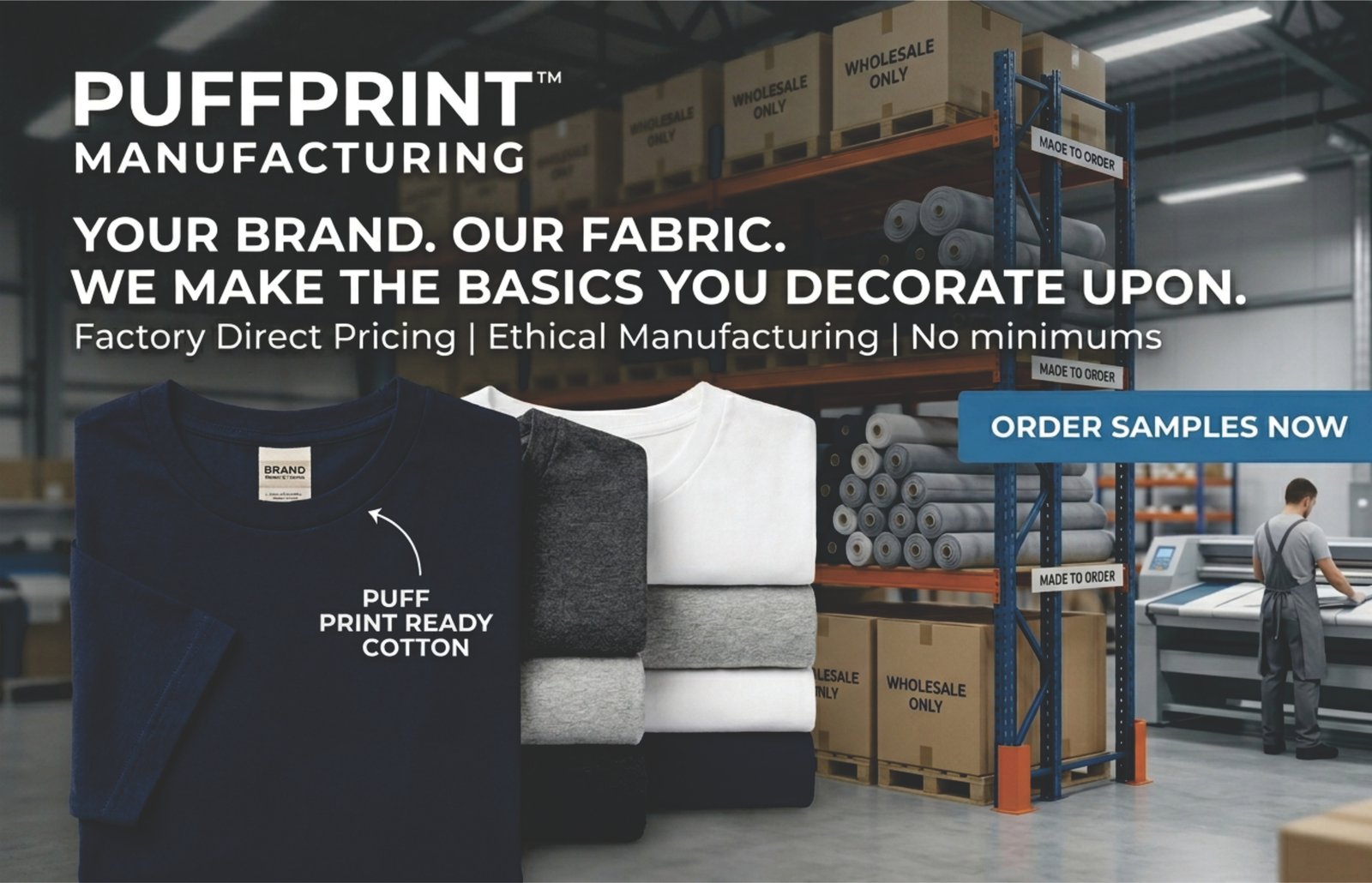
PuffPrint is your one-stop destination for high-quality custom apparel and personalized merchandise. From premium t-shirts, hoodies, and jackets to chef coats and aprons, we provide a wide range of products for individuals, businesses, and events. Our mission is to deliver top-notch printing solutions with a focus on quality, comfort, and style.
Whether you’re looking for bulk corporate orders, custom gifts, or unique designs for your wardrobe, PuffPrint combines creativity with superior manufacturing to bring your ideas to life. Explore our collection and experience hassle-free online ordering, fast shipping, and exceptional customer service at www.puffprint.com
Contact Info
- Address: Address - Damu Nagar, Akurli road, Kandivali East, Maharashtra - 400101
- Phone: +91 8418967244
- Email: puffprinting@gmail.com

